5 Tips For Buying Used Records That Sound Great
Explore every crate, inspect your finds and never assume sealed means mint. Here are 5 tips for bringing home used records you will actually enjoy playing.
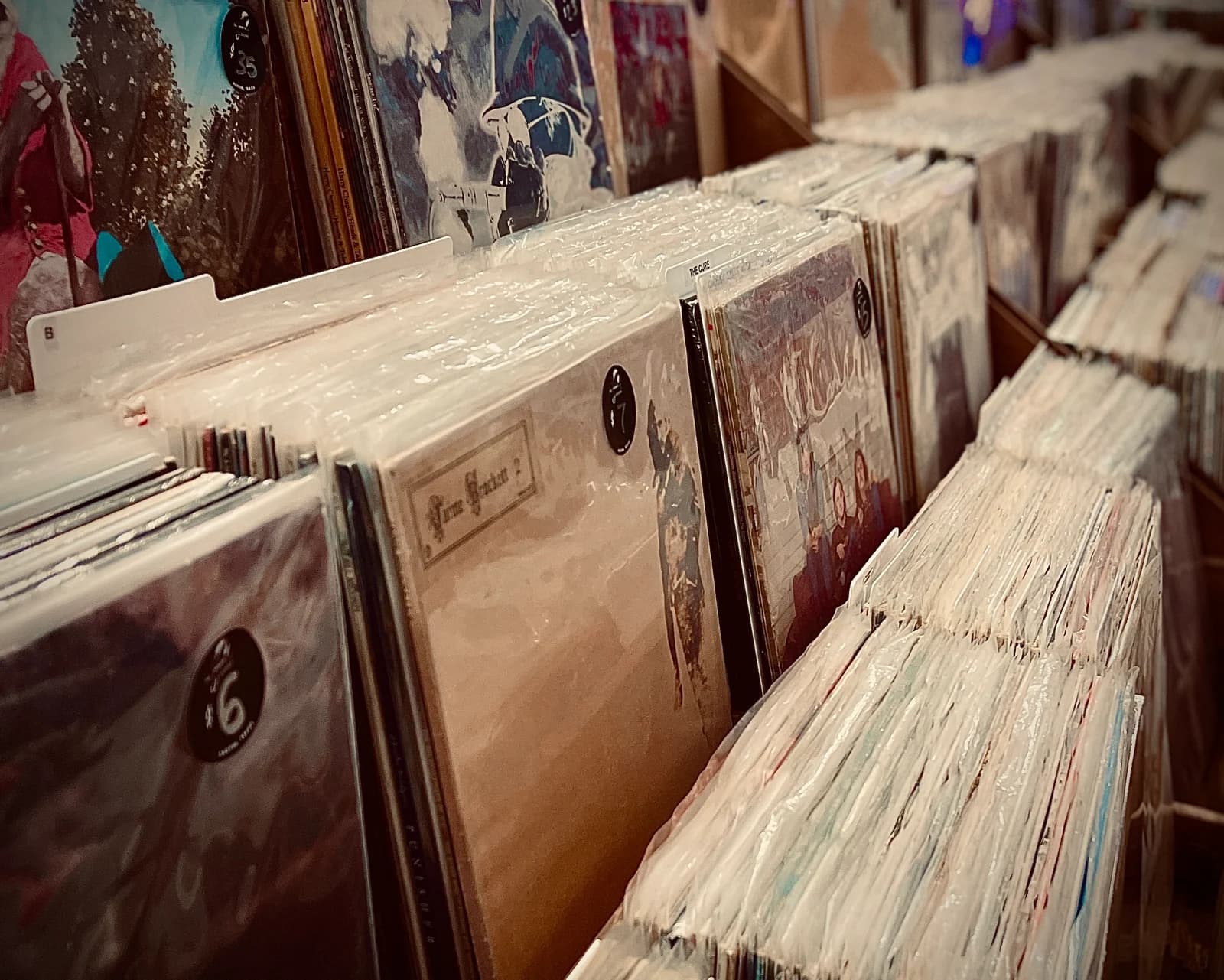
Buying used records is part treasure hunt, part detective work. The goal is not just to bring home a stack of great titles, but to find copies you will enjoy listening to. Here are five habits that make the hunt more rewarding.
1. Explore the crates!
Record and thrift stores often have bins of recent arrivals alongside records organized by genre or artist. Flip through everything you have time for, not just the section you came in to browse. A record filed in the wrong place is still a record worth finding.
I've found some of my favorite records because someone put them in the wrong section. Working through every bin might seem tedious, but that is part of the fun. Take your time, leave the records in order and enjoy the unexpected discoveries. Your grail might be hiding somewhere you would normally walk right past.
2. Select your stack!
I find it best to go through the crates and bins first, gathering a stack of potential finds before inspecting each one for quality. That way, I can enjoy the browsing without stopping for a full examination every time something catches my eye.
Once you have a stack, give each candidate your attention and narrow it down. You can weigh condition, price and how much you actually want to hear the album against the rest of the pile. A record can go back in the bin without the trip being a failure. The point is to bring home the keepers, not everything you picked up.
3. Inspect everything!
Take each record out of its jacket and inner sleeve, handling it by the edges and label, and look at both sides under a good light. Is it dirty, or is it scratched? Check for hairline cracks, deep scratches and warping. Look over the jacket and sleeve too, and make sure the record inside matches the album you thought you were buying.
Dirt may clean off; damaged grooves and cracks do not clean away. The more used records you buy, the better you get at telling a promising cleanup from a copy that is too damaged to bother with. Looks alone cannot tell the whole story, though. If the store has a turntable set up as a listening station, USE IT! Ask how it works and listen for repeating clicks, skips or distortion before deciding. Check the return policy as well: some shops accept unplayable used records back, while others sell them as-is.
4. Sealed DOES NOT MEAN MINT!
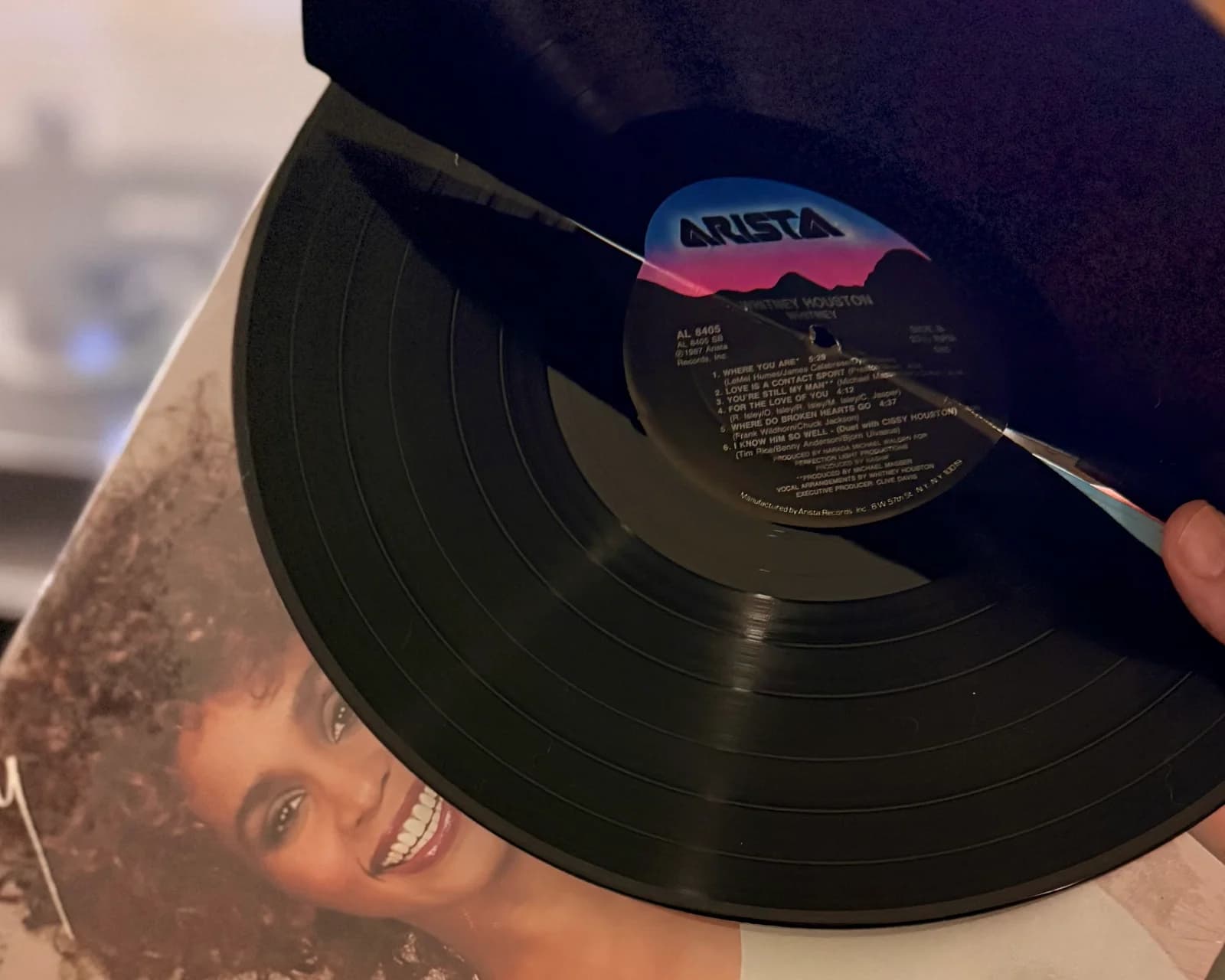
I have learned this the hard way. A sealed, unplayed record can be a great find, but you have no way to inspect what is inside before opening it. I purchased a sealed copy of Whitney Houston's Whitney album from a vendor at the Austin Record Convention. When I opened it at home to play it, the record was split in two!
It really comes down to how a record was cared for before it reached your hands. Old records can spend years in attics or basements under less than ideal conditions, and shrinkwrap does not tell you their storage history. Sealed means you cannot see inside, not that the vinyl is guaranteed to be Mint. Know the seller's policy before paying, because you are still rolling the dice on what is in that jacket.
5. Don’t forget the discount bins!
I have found so many bargains and incredible-sounding albums in the $1 bins. They can be one of the best ways to expand your collection without breaking the bank, especially when you want to try an artist or album you do not know well yet.
Give these records the same inspection you would give a more expensive copy. Cheap does not automatically mean damaged, just as expensive does not guarantee a quiet pressing. If you buy a few and later discover they are too damaged to play, your investment is only a few bucks. You can always use them as decorations on your wall! The best bargain, of course, is the one you keep putting back on the turntable.
Related posts
 VIMZ-021Guide
Black Friday Record Store Day: Coffee, Crates and the Chase
A little lost sleep, a very important wish list and a bag ready for the good stuff. Let's make Black Friday Record Store Day about the music, not the panic.
Drop the needle → VIMZ-017Guide
Your first vinyl setup: great sound for less than $500
Drop the needle → VIMZ-004Guide
Deadwax decoder: how to identify a first pressing in 60 seconds
The runout groove is a record's birth certificate. Matrix numbers, stamper codes, mastering engraver signatures — here's how to read them in the store aisle, before you pay.
Drop the needle →