
Deadwax decoder: how to identify a first pressing in 60 seconds
The runout groove is a record's birth certificate. Matrix numbers, stamper codes, mastering engraver signatures — here's how to read them in the store aisle, before you pay.
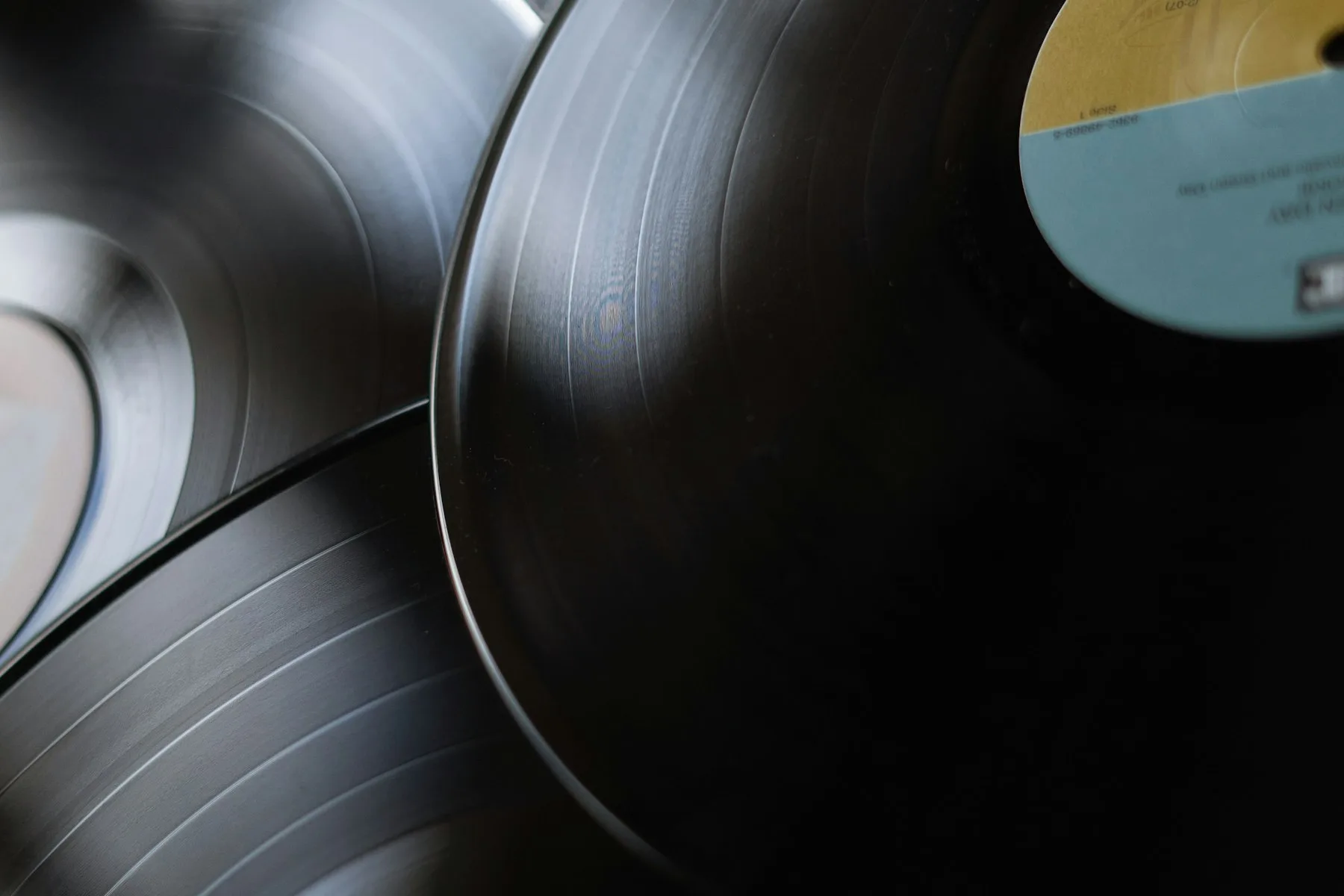
Tilt the record under the store's light and look at the smooth ring between the last track and the label. Everything scratched into that space — the deadwax, the runout — was put there at the mastering stage, and it tells you exactly what you're holding.
Start with the matrix number. It should match the catalog number on the label, followed by a side indicator and, crucially, a cut number. 'A-1/B-1' means first lacquer, cut from the master tape at the beginning of the record's life. 'A-7' means you're seven generations of wear later. The music is the same; the source it was cut from often isn't.
Then hunt for signatures. Mastering engineers signed their work: 'RL' scratched into a Led Zeppelin II runout means Bob Ludwig's famously hot cut and triples the price. 'Porky' and 'Pecko' mean George Peckham. A 'ᴧ' with 'STERLING' means Sterling Sound. These marks are why two visually identical copies can differ by hundreds of dollars.
My honest advice for beginners: don't chase first pressings for investment. Chase them because a first cut from a fresh tape frequently just sounds better — and because reading deadwax turns every used bin into an archaeology dig. Sixty seconds with the light and you know more than the price sticker does.
Related posts
 VIMZ-016Austin Scene
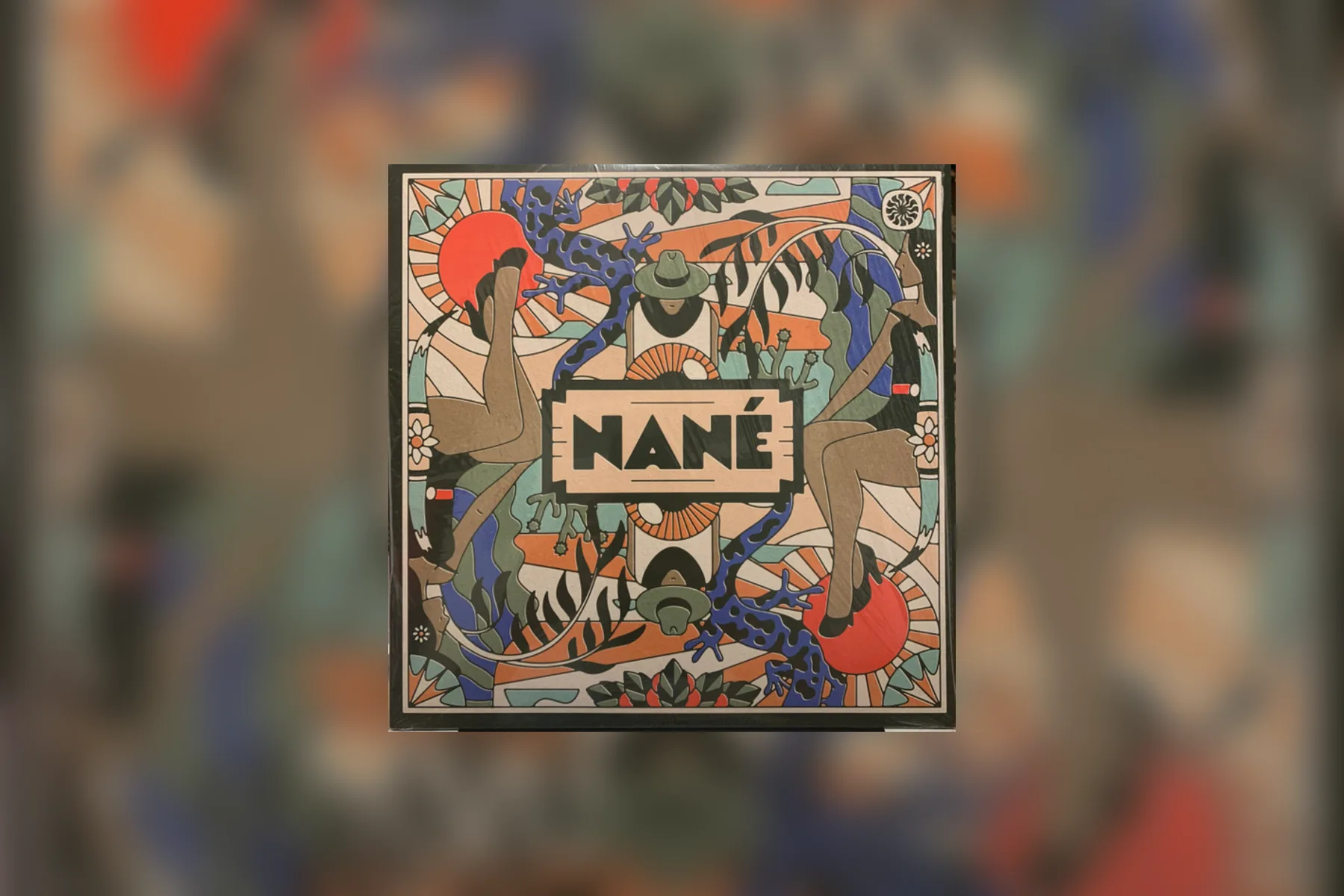
Nané's debut still feels like Austin looking forward
Nané's 2020 self-titled LP captures the Austin band's funk, soul, rock nerve, and Daniel Sahad's huge presence, with one ACL Fest morning still burned into memory.
Drop the needle →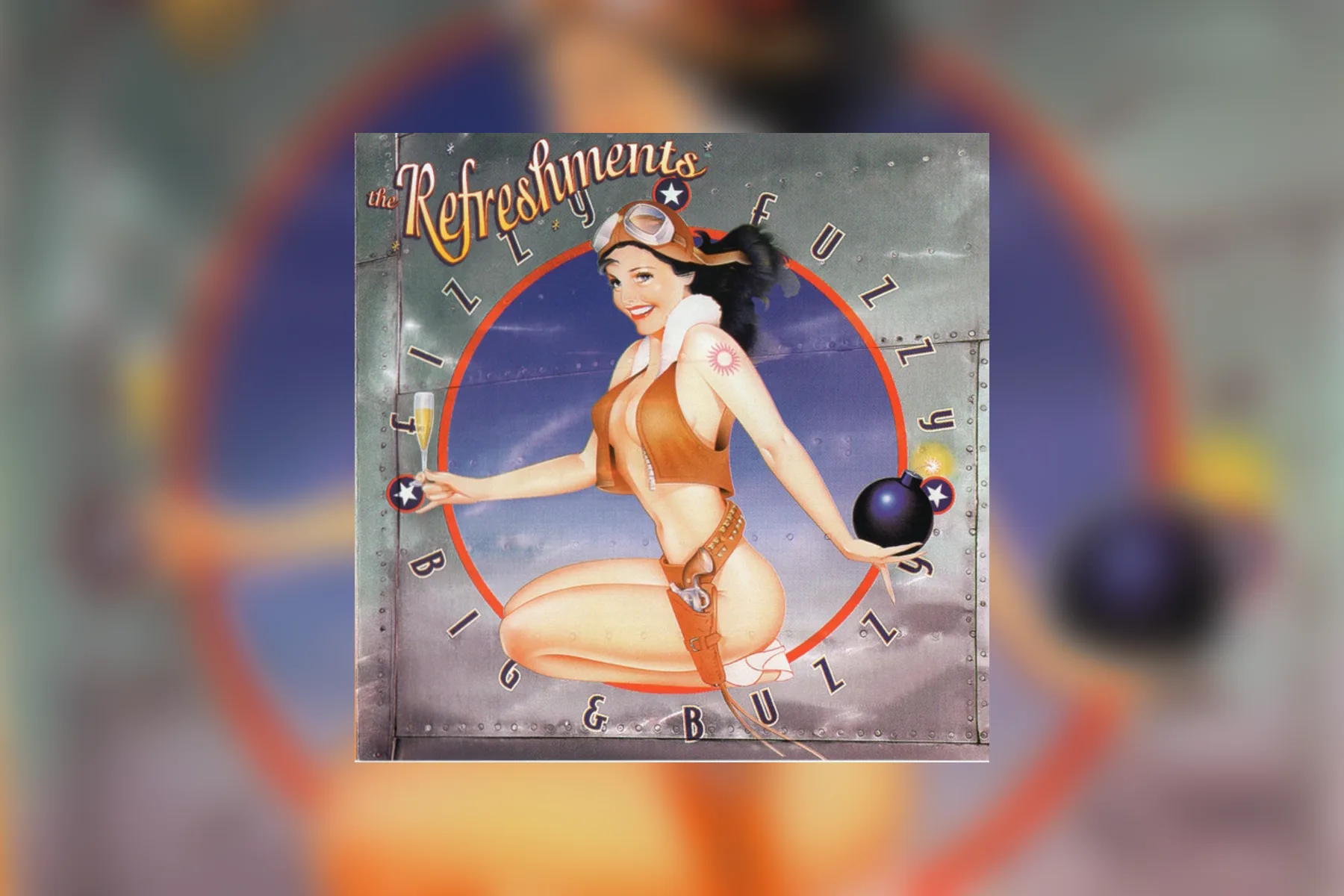 VIMZ-015Review
The Refreshments' Fizzy Fuzzy Big & Buzzy keeps its bite
The Refreshments' 1996 Mercury debut is all desert wit, bar-band bite, and melodic nerve, with the story already pointing toward Roger Clyne and the Peacemakers.
Drop the needle →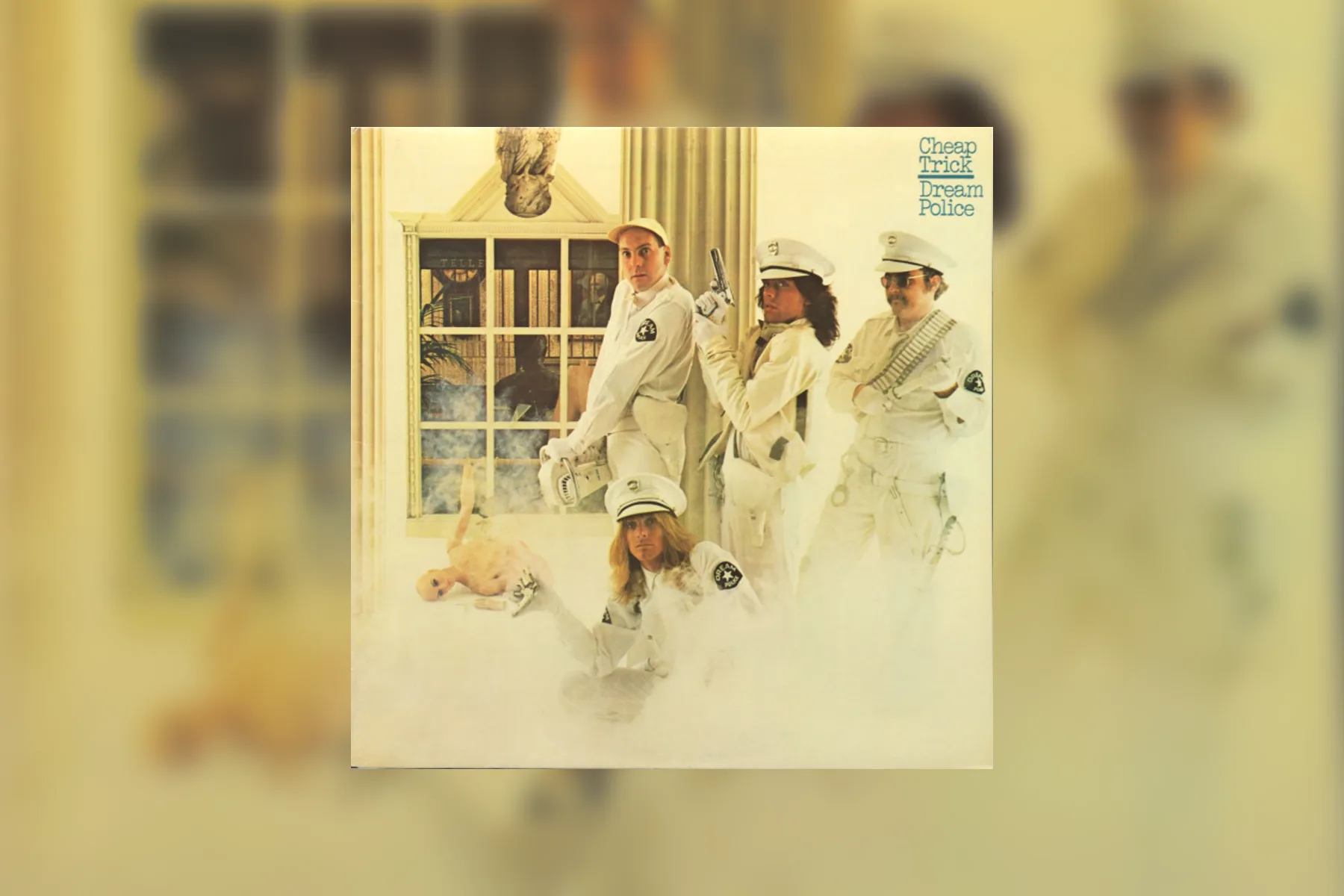 VIMZ-014Review
Cheap Trick's Dream Police goes big and gets weird
Cheap Trick's 1979 Epic album turns paranoia, power pop, studio polish, and arena-sized nerve into one of the band's strangest big swings.
Drop the needle →