Review: Smith's great 1969 debut
A Group Called Smith is a soul-rock debut with a Top 5 single, a monster Gayle McCormick vocal, and enough grit to keep it out of the nostalgia bin.
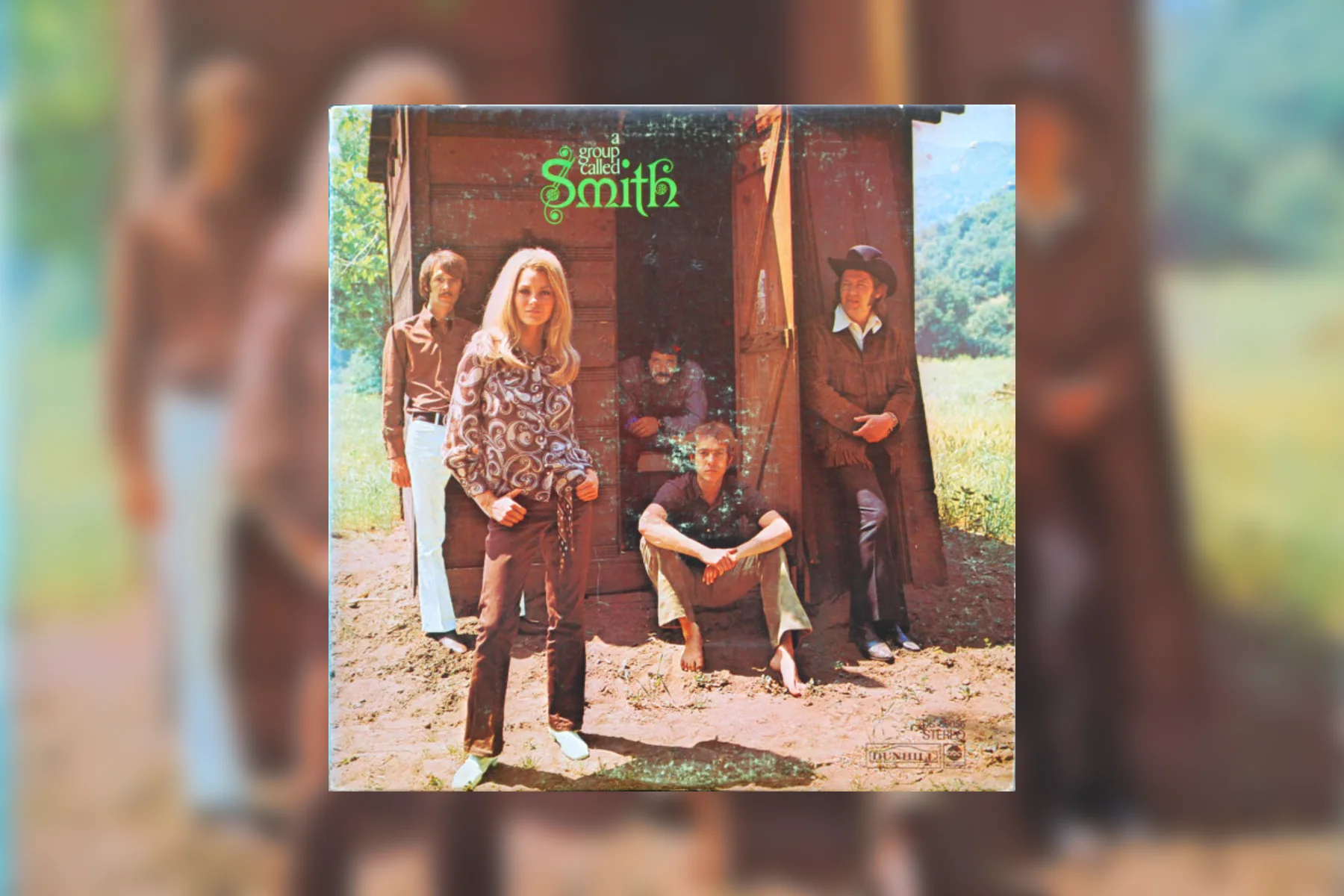
Smith is one of those late-60s bands that gets filed too quickly under one hit, then left there. That is a shame, because their 1969 Dunhill debut, 'A Group Called Smith,' is a better record than the footnote suggests. It has sunshine, muscle, R&B instinct, and a lead voice that can make a familiar song feel newly dangerous.
The obvious entry point is 'Baby It's You.' The song had already lived a couple of lives before Smith got to it, but Gayle McCormick does not sing it like a polite remake. She leans into the ache, then pushes the chorus hard enough to make the whole track bloom. There is a reason it reached the U.S. Top 5 in 1969. The record is built around that voice, and it knows it.
What I like about the album is that the covers never feel like a museum exercise. 'Let's Get Together' opens the door with communal warmth, 'Who Do You Love?' and 'I Just Wanna Make Love To You' bring the club-band bite, and 'Let's Spend The Night Together' gets pulled away from Stones swagger into something looser and more American. Even when the material is familiar, the band plays it like it has somewhere to go.
The history is short, which is part of why this record still feels overlooked. Smith formed in Los Angeles in 1969 after evolving out of an earlier group called The Smiths, long before that name meant anything else to record collectors. McCormick had come west after fronting bands in Missouri, bringing a voice shaped by soul and blues singers rather than the softer pop-rock lane that radio often expected from female vocalists at the time.
Del Shannon caught the group in a Los Angeles club and helped open the door to ABC-Dunhill. He also arranged 'Baby It's You,' which became the hit that put them on the map. Around McCormick, the lineup included Rich Cliburn on lead guitar, Larry Moss on organ, Jerry Carter on bass, and Robert Evans on drums, with John Horrigan and Alan Parker also credited in the band's orbit. It was a real band, not just a voice with anonymous backing.
The cruel part is how fast the story moved. A second album, 'Minus-Plus,' followed in 1970, but the momentum faded and Smith was done after two albums. McCormick went on to make solo records, and the band's version of 'The Weight' found another life through the 'Easy Rider' soundtrack. Still, the debut is the one I come back to. It catches a band at the moment when everything sounds possible.
If you find a clean Dunhill DS-50056 copy, do not buy it only for the hit. Buy it because the whole LP has that late-60s moment when pop, soul, blues, and rock had not yet been sorted into separate bins. Smith may not have lasted long, but for one debut album they had the sound, the singer, and the spark.
Related posts
 VIMZ-013Review
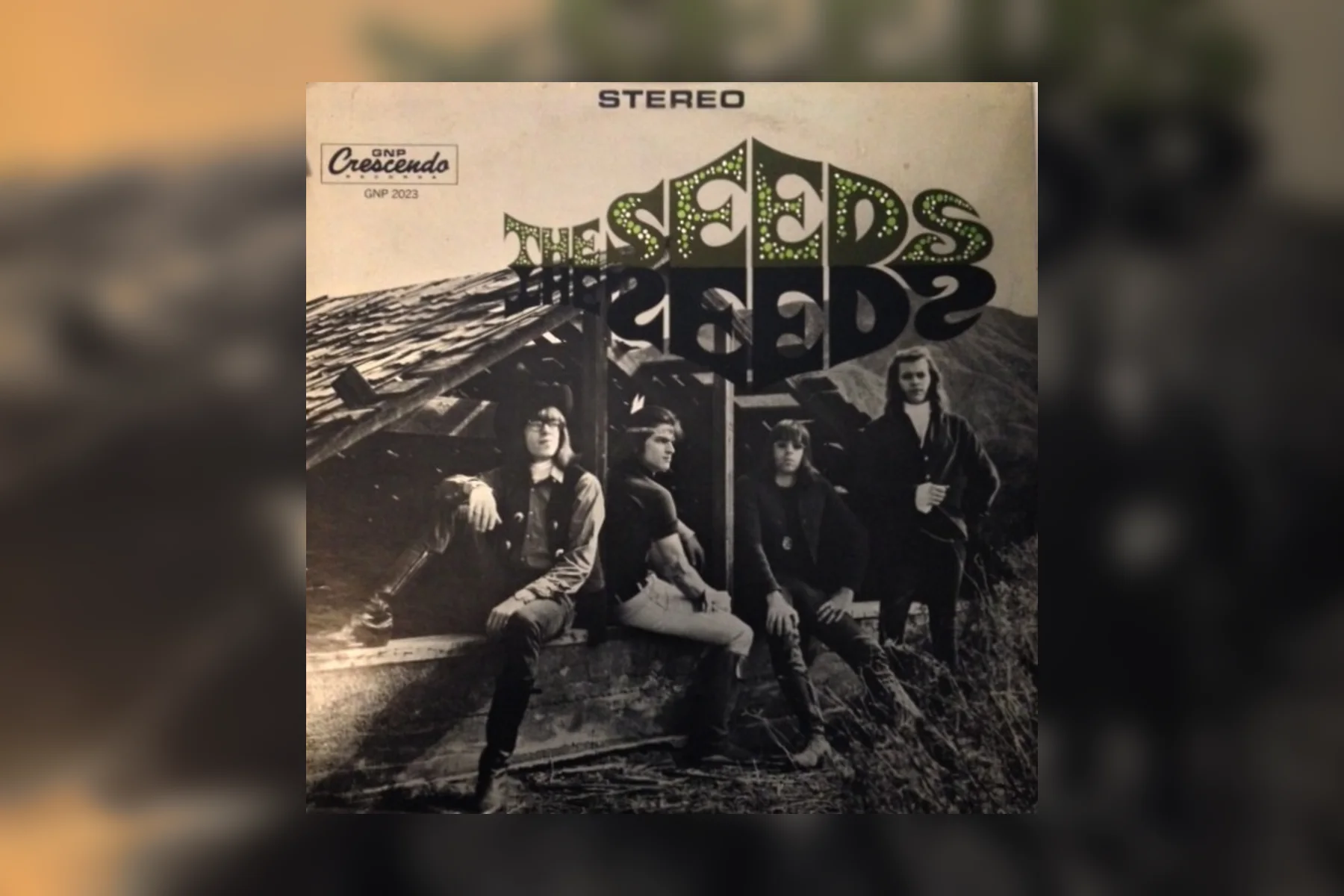
The Seeds' debut still pushes hard
The Seeds' 1966 debut turned a few chords, a stabbing organ, and Sky Saxon's sneer into a garage-rock blueprint that still rattles the shelves.
Drop the needle →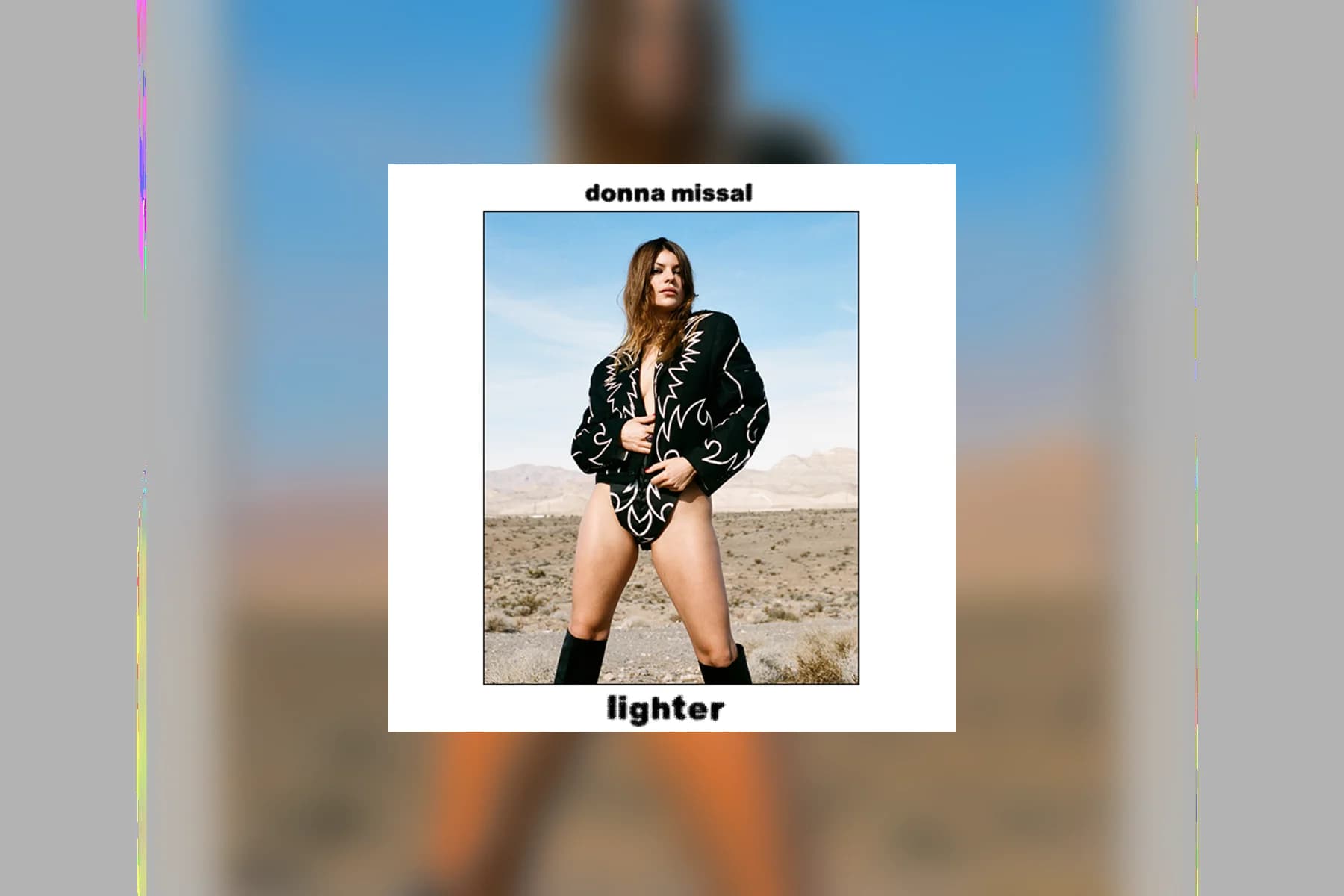 VIMZ-012Review
Donna Missal's Lighter deserved a louder room
Donna Missal's 2020 album Lighter landed in the pandemic quiet, but the reverse-sequenced heartbreak story still hits when you give the record its due.
Drop the needle → VIMZ-004Guide
Deadwax decoder: how to identify a first pressing in 60 seconds
The runout groove is a record's birth certificate. Matrix numbers, stamper codes, mastering engraver signatures — here's how to read them in the store aisle, before you pay.
Drop the needle →