
Donna Missal's Lighter deserved a louder room
Donna Missal's 2020 album Lighter landed in the pandemic quiet, but the reverse-sequenced heartbreak story still hits when you give the record its due.
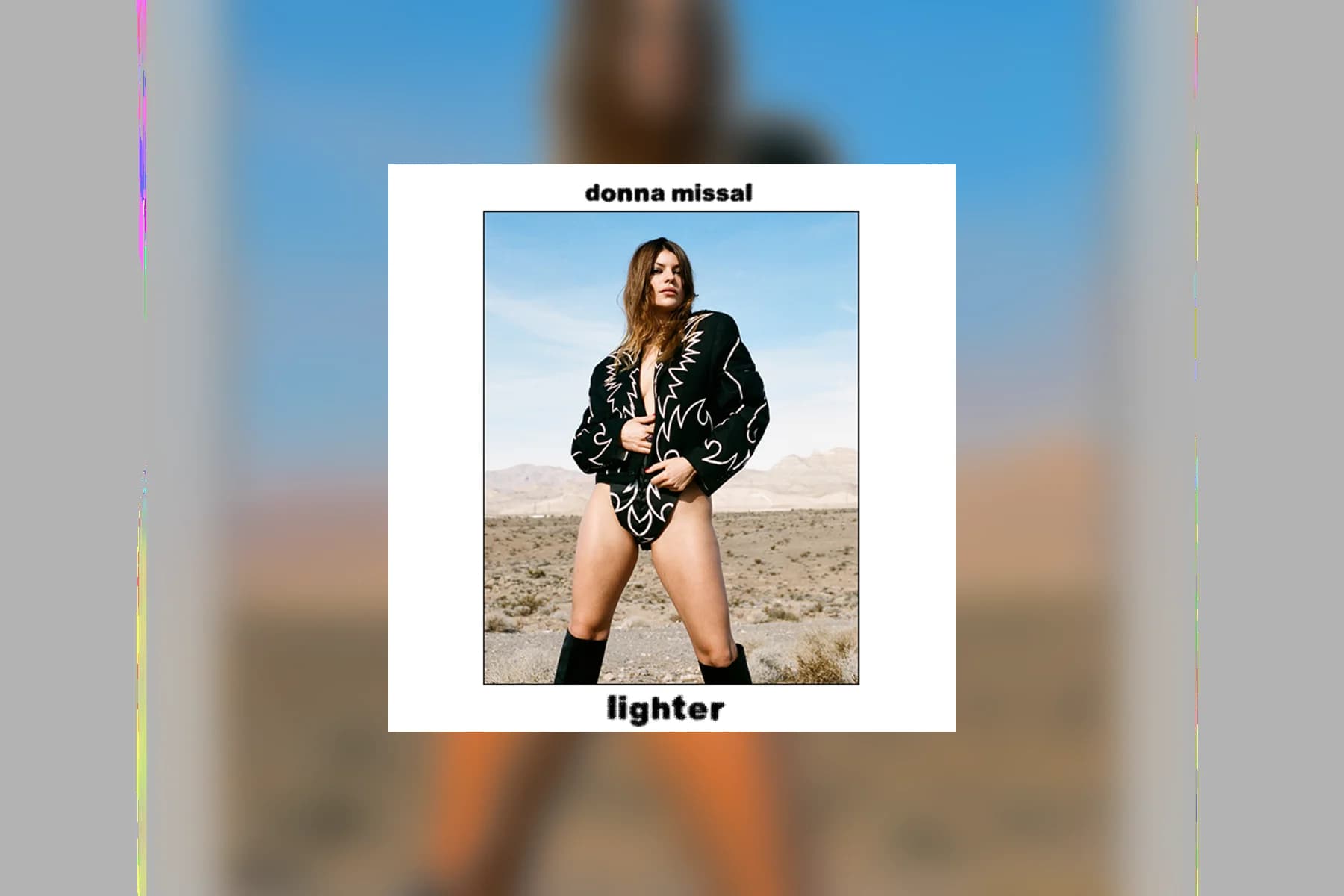
Some records do not miss because the music is small. They miss because the room goes quiet around them. Donna Missal's 'Lighter' came out July 10, 2020, with the US gatefold LP following on August 28, right in the strange pandemic window when clubs were closed, tours were gone, and a lot of good albums arrived without the usual word-of-mouth machinery to carry them.
That timing matters. 'Lighter' is not background pop. It is a big-voiced, full-body breakup record, the kind of album that would have made more sense with sweaty rooms, late-night drives, and people arguing over favorite tracks after a show. Instead it arrived when everyone was listening alone, distracted, and half-numb. A lot of listeners missed it, and I think the record deserved better.
The release credits tell you this was built with real studio weight behind it. Andrew Wells produced the album, with Tommy King co-producing 'Hurt By You,' 'Carefully,' 'Best Friend,' and 'Slow Motion.' The Discogs release credits place the recording at Troy House, mixing at The Mix Suite and Electric Lady Studios, and mastering at Sterling Sound by Randy Merrill. Mark 'Spike' Stent mixed 'How Does It Feel,' 'Who Loves You,' and 'I'm Not Ready,' while Tom Elmhirst mixed 'Hurt By You.' That is a serious chain for a record that still feels loose enough to breathe.
The opener, 'How Does It Feel,' throws you into the aftermath first. It has that road-song momentum and a guitar/bass haze that feels like trying to outrun your own thoughts. 'Hurt By You' follows with the brighter single energy, all forward motion and self-protection, while 'Carefully' slows the pulse down and lets the hurt sit in the room. Missal's voice is the engine through all of it. She can be airy for a line, then tear the whole wall down on the next one.
'Best Friend' and 'Slow Motion' are where the record starts showing its structure. 'Best Friend' has a little bite under the melody, the sound of someone trying to name the shape of betrayal without sounding like they are still bleeding from it. 'Slow Motion' is the pivot for me. It is less about winning the breakup than loosening your grip on the version of yourself that stayed too long.
Side B keeps pulling the thread. 'Let You Let Me Down' is the obvious centerpiece, with the kind of chorus that should have had a real summer to live in. 'Bloom' turns inward and gives the album one of its most exposed moments. 'Just Like You' has a 90s alt-pop spine, and 'Who Loves You' leans into the ache with enough space around the vocal to make it sting. Then 'I'm Not Ready' closes the record by admitting the thing most breakup albums try to clean up too neatly: knowing what happened is not the same as being done with it.
Here is the trick, and it changes the whole listen. The album is telling the story of a relationship from beginning to end, then putting that story in reverse order. Played as pressed, you start with the damage and work backward toward the fear and uncertainty that were there before everything fell apart. Flip the sequence in your head, and 'I'm Not Ready' becomes the first uneasy step into something, while 'How Does It Feel' becomes the place you land after the burn.
That is why 'Lighter' holds up. The emotional journey changes depending on which direction you play it, but the record does not turn into a gimmick. Forward, it sounds like survival trying to make sense of the wreckage. Backward, it sounds like the warning signs slowly turning into proof. Either way, Missal keeps the songs human enough that the shape never feels overdesigned.
My recommendation: listen to the album in the record order first. Then play the tracks in reverse order and notice what moves. The songs do not become happier or sadder exactly. They just shift the light, which is the whole point of a record called 'Lighter.'
Related posts
 VIMZ-013Review
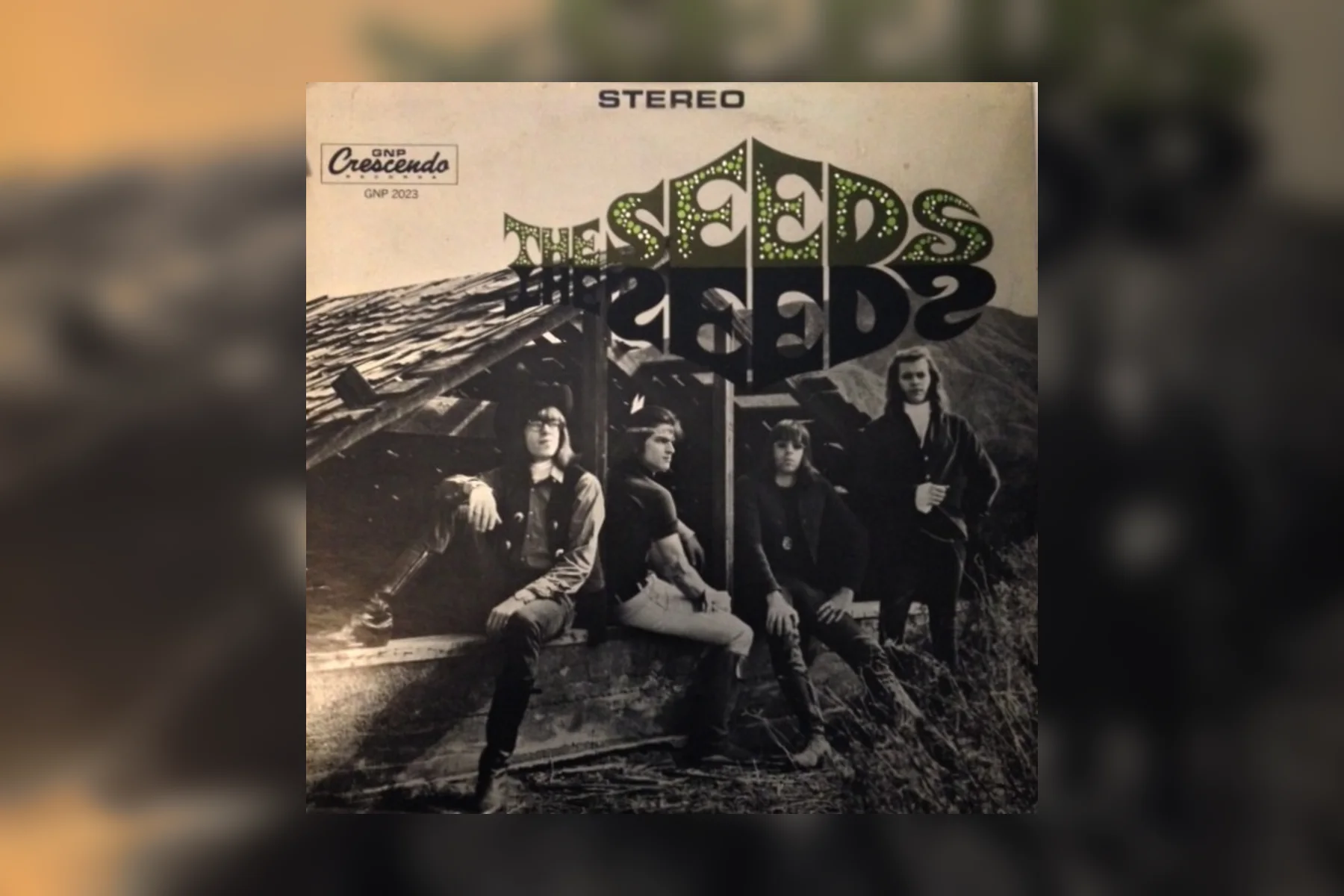
The Seeds' debut still pushes hard
The Seeds' 1966 debut turned a few chords, a stabbing organ, and Sky Saxon's sneer into a garage-rock blueprint that still rattles the shelves.
Drop the needle →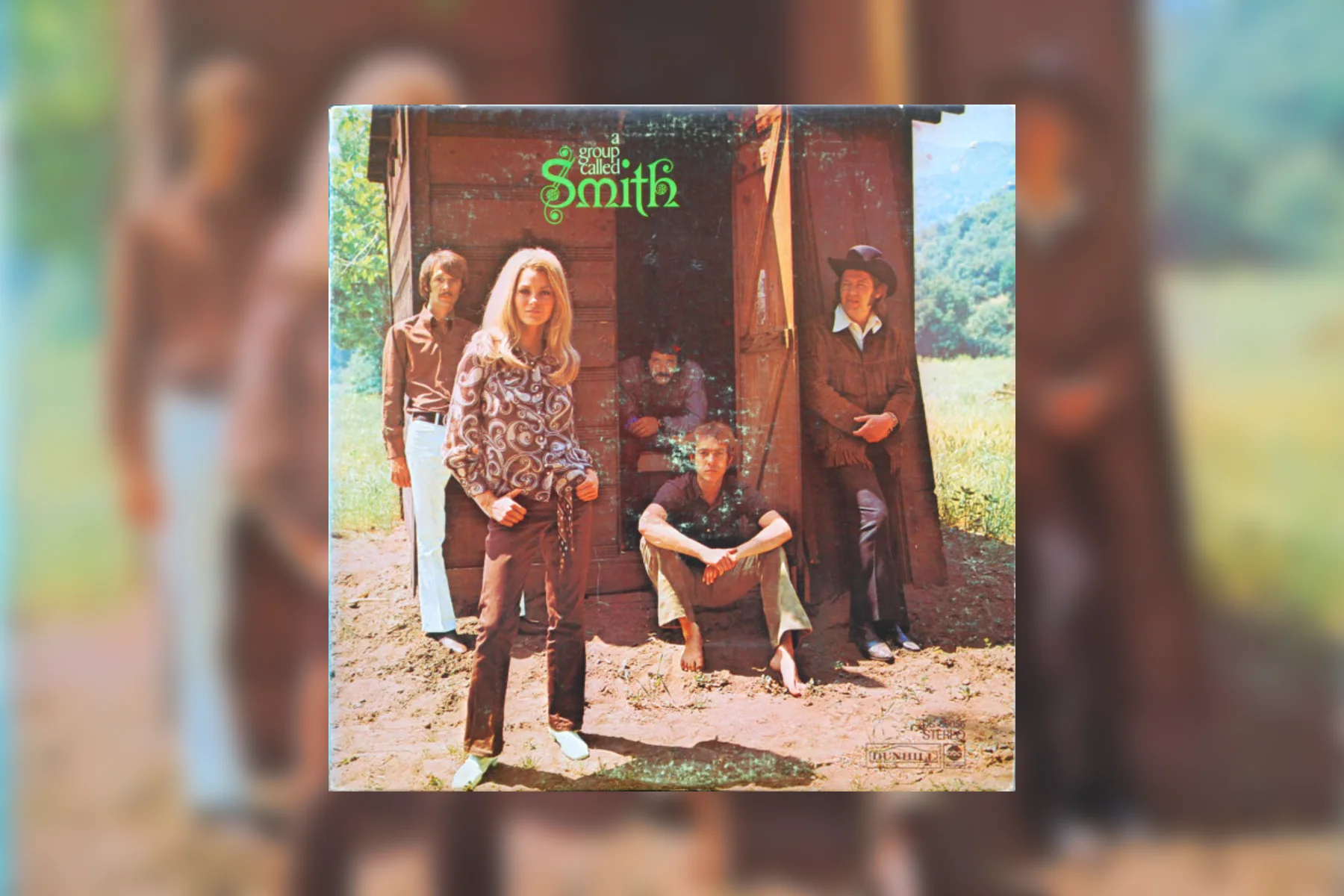 VIMZ-011Review
Review: Smith's great 1969 debut
A Group Called Smith is a soul-rock debut with a Top 5 single, a monster Gayle McCormick vocal, and enough grit to keep it out of the nostalgia bin.
Drop the needle → VIMZ-004Guide
Deadwax decoder: how to identify a first pressing in 60 seconds
The runout groove is a record's birth certificate. Matrix numbers, stamper codes, mastering engraver signatures — here's how to read them in the store aisle, before you pay.
Drop the needle →