
The Continental Club: what 1955 sounds like in 2026
South Congress has been remodeled around it, but the Continental's back room still sounds like Austin used to. A short history, and why Monday residencies are the city's best-kept ritual.

The Continental Club opened in 1955 as a private supper club, spent the 60s as a burlesque room, and by the time the 80s rolled around it had become what it still is: the place where Austin actually happens, seventy feet from where tourists take pictures of a mural.
I moved here long enough ago to remember when South Congress was cheap and slightly dangerous, and the Continental was the reason you went. Stevie Ray played here. The Fabulous Thunderbirds practically lived here. In the 80s, when the blues revival made Austin briefly the center of the guitar universe, this room was its living room.
What kills me is that it still works. The remodel never came. The stage is still small enough that the pedal steel player has to angle in sideways. Monday night residencies — the same band, every week, for years — are a format the algorithm can't touch, and the Continental has kept the flame lit while every other city let it go out.
Go on a Monday. Get there early enough to stand at the rail. Put your phone away — the light from the stage is enough. Some things in this city are worth protecting, and this room is at the top of my list.
Related finds
 VIMZ-007Crate Watch
Dollar-bin diving in Austin: a strategy, not a gamble
The dollar bins at End of an Ear, Breakaway and Antone's Records are not trash — they're an unsorted archive. Here's my route, my rules, and last month's $14 haul.
Drop the needle →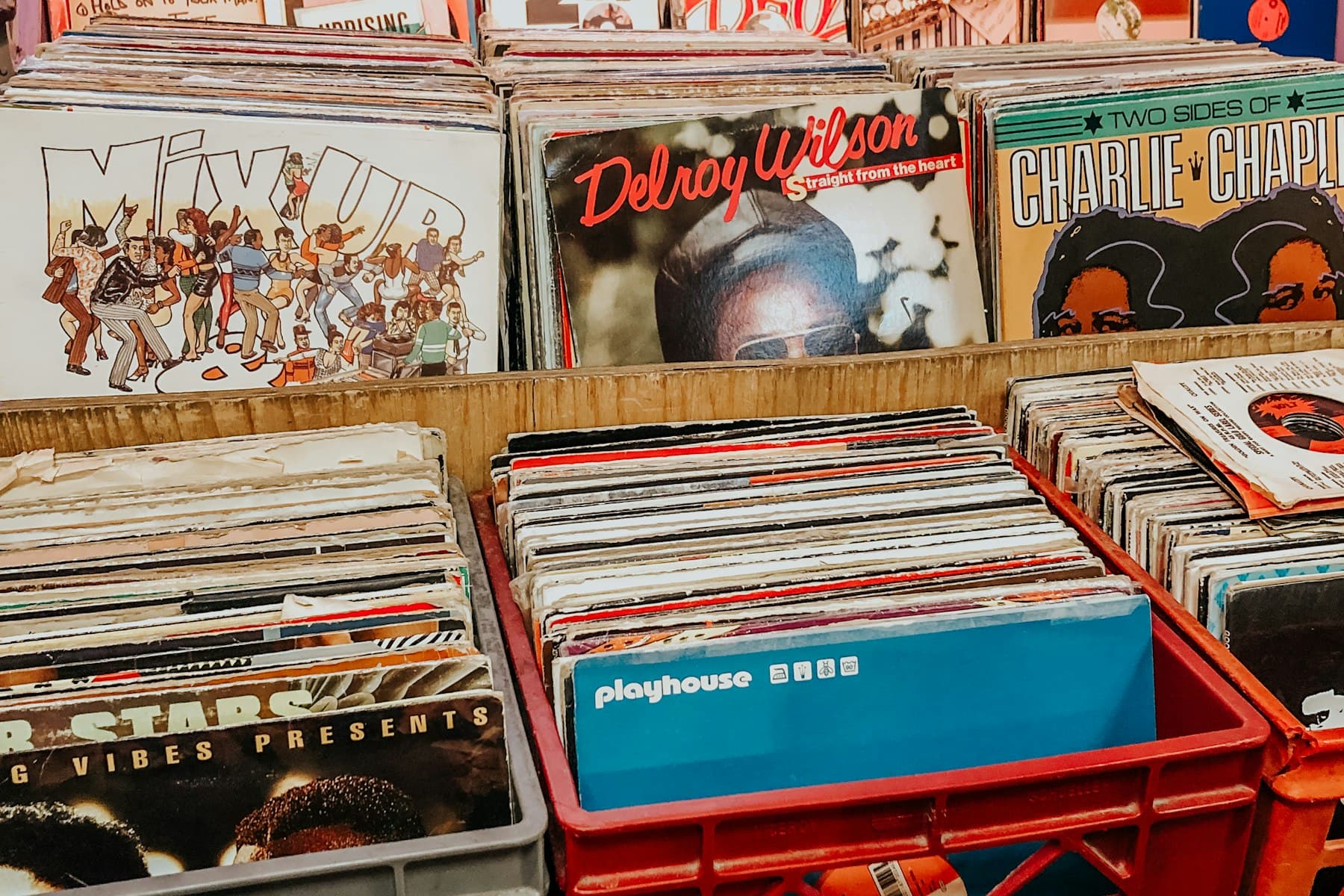 VIMZ-010Find
Grail watch: the Australian 'Hounds of Love' nobody talks about
Everyone chases the UK first press of Kate Bush's 1985 masterpiece. Meanwhile, the Australian EMI pressing sounds gorgeous and sells for a third of the price — if you know where to look.
Drop the needle → VIMZ-009Guide
Why Japanese pressings sound better (and how to buy them from Texas)
Quieter vinyl, cleaner cuts, obi strips that survived four decades. A field guide to buying Japanese pressings without getting burned on shipping or grading.
Drop the needle →